Dance, Festivals and Music Scene

Music, Art and Dance
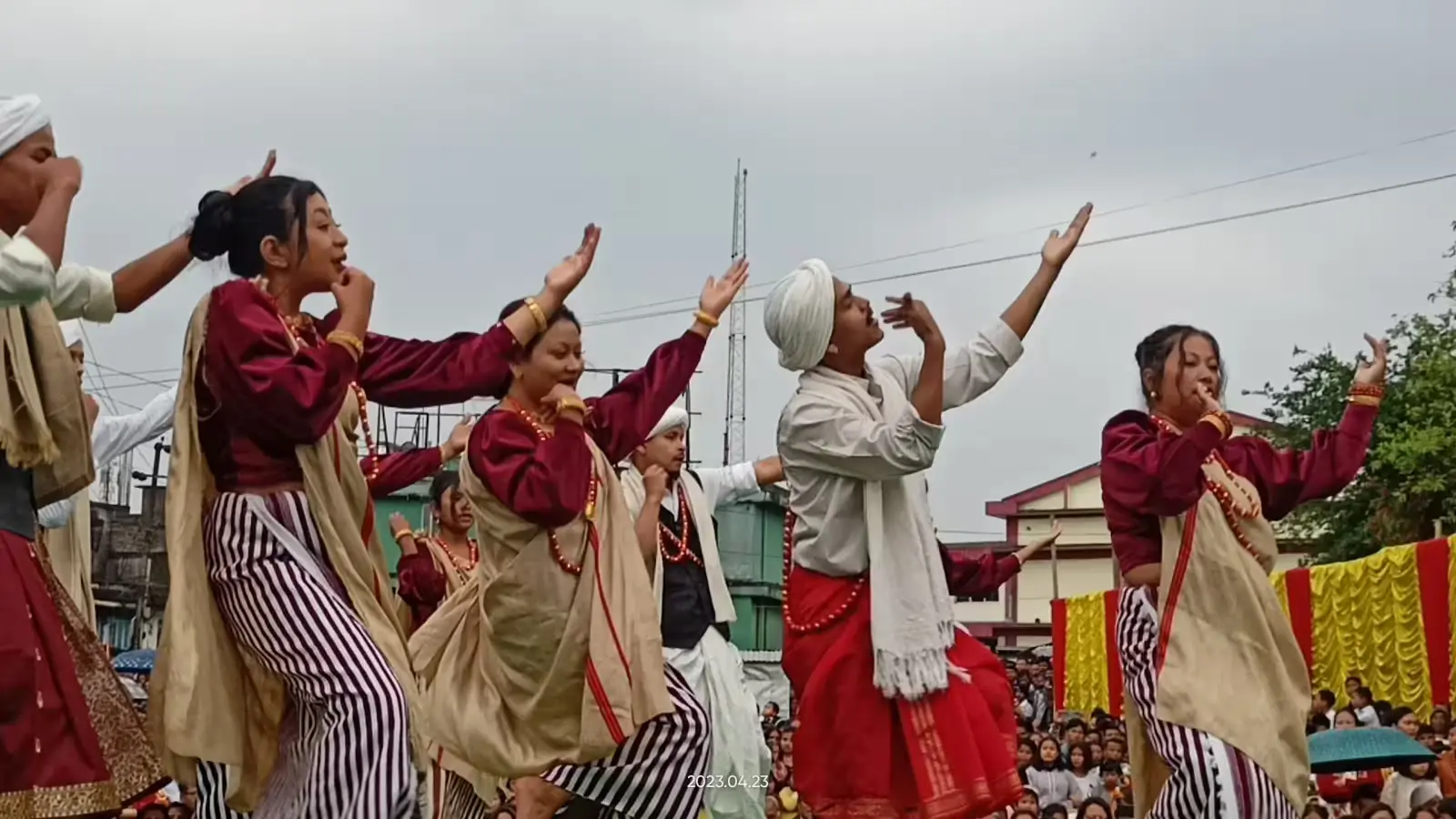
Music and dance are the heartbeat of Meghalaya’s tribal identity, echoing through hills and valleys in rhythmic celebration. In Khasi culture, traditional instruments like the duitara (a four-stringed lute), tangmuri (a high-pitched wind instrument), ksing (drums), besli (flute), and padiah (a single-faced drum) create the musical backdrop for dances such as Shad Suk Mynsiem, a graceful celebration of fertility and peace; Shad Kynjoh, performed during house-blessing ceremonies, invoking protection and prosperity; and Pom-Blang Nongkrem, a ritual dance linked to royal heritage and harvest blessings. Chant-like phawar songs add a poetic layer to these performances. The Jaintias share similar instruments, including the sharati (reed pipe), ksing padiah, and marynthing (string instrument). Their dances—like Chad Sukra, performed before sowing to invoke divine blessings; Lahoo Dance, a social dance performed by both men and women, often during festivals and weddings; and Chad Pastieh, held post-harvest, essentially a thanksgiving dance symbolizing community unity. Behdienkhlam, the most significant Jaintia festival, features a powerful dance ritual where men symbolically drive away disease and misfortune by striking rooftops and dancing in sacred pools with decorated structures called rots. Lyrics often draw from oral folklore and spiritual beliefs. In the Garo Hills, music is percussive and deeply communal. Instruments like the nagra (large drum), adil (bamboo flute), and rang (buffalo horn) set the stage for spirited dances such as Wangala, a dance that celebrates harvest with synchronized drumming, horn blowing, and vibrant attire; Doroa, a social dance performed during weddings or gatherings, emphasizing communal joy and graceful footwork; and Chambil Moa, also called the Pomelo Dance, which involves complex steps while holding a pomelo, showcasing dexterity and festivity. Do Dru Sua is another Garo dance performed by men to showcase valor and strength, often accompanied by chants and dramatic gestures. These art forms are more than entertainment—they are vessels of memory, identity, and resistance. They preserve oral traditions, reinforce social values, and connect generations. Whether performed in sacred groves, village courtyards, or modern stages, Meghalaya’s music and dance continue to evolve while staying rooted in the land’s spiritual and cultural ethos.
Music and dance are the heartbeat of Meghalaya’s tribal identity, echoing through hills and valleys in rhythmic celebration. In Khasi culture, traditional instruments like the duitara (a four-stringed lute), tangmuri (a high-pitched wind instrument), ksing (drums), besli (flute), and padiah (a single-faced drum) create the musical backdrop for dances such as Shad Suk Mynsiem, a graceful celebration of fertility and peace; Shad Kynjoh, performed during house-blessing ceremonies, invoking protection and prosperity; and Pom-Blang Nongkrem, a ritual dance linked to royal heritage and harvest blessings. Chant-like phawar songs add a poetic layer to these performances. The Jaintias share similar instruments, including the sharati (reed pipe), ksing padiah, and marynthing (string instrument). Their dances—like Chad Sukra, performed before sowing to invoke divine blessings; Lahoo Dance, a social dance performed by both men and women, often during festivals and weddings; and Chad Pastieh, held post-harvest, essentially a thanksgiving dance symbolizing community unity. Behdienkhlam, the most significant Jaintia festival, features a powerful dance ritual where men symbolically drive away disease and misfortune by striking rooftops and dancing in sacred pools with decorated structures called rots. Lyrics often draw from oral folklore and spiritual beliefs. In the Garo Hills, music is percussive and deeply communal. Instruments like the nagra (large drum), adil (bamboo flute), and rang (buffalo horn) set the stage for spirited dances such as Wangala, a dance that celebrates harvest with synchronized drumming, horn blowing, and vibrant attire; Doroa, a social dance performed during weddings or gatherings, emphasizing communal joy and graceful footwork; and Chambil Moa, also called the Pomelo Dance, which involves complex steps while holding a pomelo, showcasing dexterity and festivity. Do Dru Sua is another Garo dance performed by men to showcase valor and strength, often accompanied by chants and dramatic gestures. These art forms are more than entertainment—they are vessels of memory, identity, and resistance. They preserve oral traditions, reinforce social values, and connect generations. Whether performed in sacred groves, village courtyards, or modern stages, Meghalaya’s music and dance continue to evolve while staying rooted in the land’s spiritual and cultural ethos.

Shad Nongkrem
Experience Meghalaya’s cultural extravaganza at Nongkrem Festival. From children to adults, witness the community coming together to step into a world of colourful attire, sacred traditions, and festive spirit.

Shad Suk Mynsiem
A cultural celebration accompanied by dance, music, Khasi cuisine and an array of cultural ceremonies, Shad Suk Mynsiem is the most significant festival of the Khasis.

Chad Sukra
Chad Sukra is an important event in the Jaintias’ calendar, marking the beginning of the harvest season. Celebrated throughout the Jaintia Hills, the festival is best experienced among the district’s animist believers.

Behdienkhlam Festival
Behdienkhlam is the most important festival of the practitioners of the Niamtre religion. It is celebrated just after the sowing of crops, to ward off disease, misfortune, and evil spirits.

Wangala Dance Festival
The festival showcases the lifestyle of the people, the diversities in dialect, geography, religious beliefs, dance, music, the arts and gastronomy of the Garo Hills. Elevate your spirit with anticipation as you witness the powerful 100 Drums Wangala performance.