Culinary Heritage

Shillong Aloo Muri
This spicy potato snack is one of the most mouth-watering of the street foods here. Unlike most treats, it can be eaten while walking around!

Momo
This is without a doubt one of the most beloved and popular street foods here. The Shillong-style momo are a must-have that you will not find elsewhere.

Pani Puri
Every Indian knows what these delightful small-sized juicy snacks are. But make no mistake, the pani puri here will leave you wanting more.

Shillong Smoked Meat
You don’t have to be near one of these to know they’re around. The delicious aroma of this freshly smoked meat is enough to make your mouth water.

Phan Tungtap
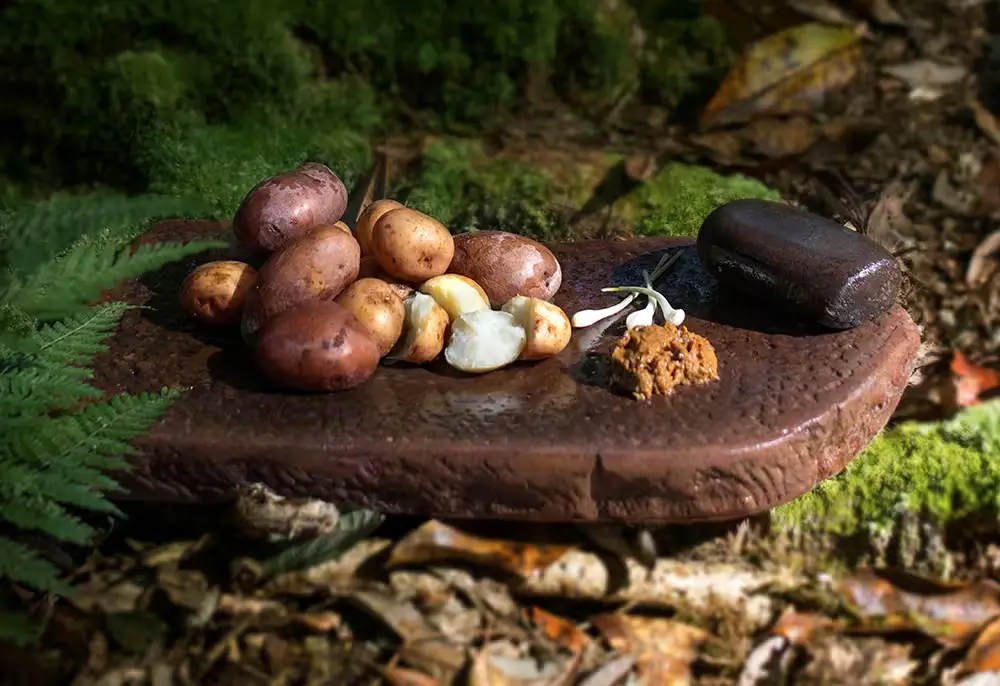
Boiled red potatoes with a mix of fermented dry fish, fried smoked meat and wild assorted edible greens. Simple yet tangy.
Flavours of Heritage
The rugged terrain and abundant biodiversity encouraged communities to harvest seasonal wild herbs, edible ferns, bamboo shoots, mushrooms, roots, and medicinal plants. This practice arose out of necessity, self-reliance, and an intimate understanding of the local ecology. Today, the state's market displays freshly foraged produce, preserving this ancient tradition in the modern day.

Khasi Cuisine
- Jadoh: Made with rice and pork, Jadoh is usually paired with Dohkhleh, a form of pork salad and Tungrymbai, fermented soybeans cooked with black sesame seeds. Khasi cuisine is characterised by minimal usage of spices and grease, yet this enticing dish bursts with rich flavour from the Tyngrymbai and black sesame seeds.
- Jingbam Dihsha: An array of snacks is made from simple ingredients such as ground rice powder, water, and sugar or jaggery. Best served with a hot cup of red tea, this wholesome goodness comes in the form of Ja Shulia or sticky rice, Pu Khlein or fried rice cake, Pu Maloi or steamed rice cake, Pu Sla or rice cake steamed in a leaf, Pu doh or steamed rice cake with pork strips and rice cake.
- Ktung Bain Nei-Iong: A delightful dish made of Ktung Bain, a variety of dry fish, cooked with black sesame seeds, is often paired with rice as a side dish. Deeply savoury, the aroma of dry fish carries a briny sharpness with a bold umami depth in every bite.
- Phan and Tungtap: Fermented dry fish chutney or Tungtap, eaten with boiled potatoes or Phan, is a spicy treat that brings out the fermented undertones of Tungtap and is balanced with the sweetness of the potatoes. Hot red tea is usually accompanied and relished to wash it down.
- Ja Tyndong: Farmers in rural areas commonly cook food in bamboo tubes. Rice, fish, meat, and vegetables are put into a fresh bamboo tube with enough water and spices, sealed with banana leaves, and baked on fire until the bamboo is slightly charred.

Garo Cuisine
- Nakham Bitchi: Dry fish is an integral part of Garo cuisine, and Na∙kam Bitchi, or dry fish gravy, is a much sought-after delicacy. Served with rice, the spiciness of this dish adds to its tantalising flavour.
- Do’o Kappa: An enticing dish popular in most Garo homes, Do∙o Kapa is a chicken dish cooked with natural potash. Usually served with rice, it is further enhanced by adding fresh herbs like coriander and chillies.
- Wak Pura: This traditional pork dish is made with Pura, a traditional potash made by burning plant material or dried banana stems and collecting the ash. The potash softens the pork, giving it a smooth texture with a mild alkaline note. Cooked with minimal spice, this dish allows the natural flavour of the pork to shine through.
- Me.kin/Sobok Chatni: Chutney made with banana flowers is served as an accompaniment to most Garo meals. Rich in nutritional value, this side dish is an enjoyable treat.

Jaintia Cuisine
- Doh Khleh: Pork salad with simple mixtures, including onions, green chillies, and salt, is a delightful side dish with a healthy twist. It is easy to prepare, refreshing, and is commonly found in food stalls across the state.
- Putharo with Dohjem: Putharo is a soft, spongy flatbread made from ground rice flour and steamed in a black pot specially used for making Putharo. It is best paired with Dohjem, a pork curry made with black sesame seeds. This combination is much loved and truly fulfilling.
- ‘Kharang: The Dakharang, Kharang, or smoked fish, is popular among the Jaintias. Prepared as a curry, chutney, or salad, the smokiness of the Kharang, often served with rice, leaves a lingering, palatable taste in the mouth.
- Doh Sniang Nei-Iong: Doh sniang Nei-Iong or pork cooked with sesame seeds is a common dish in most Pnar homes. Served with steamed rice, the distinct nutty flavour adds a rich, earthy depth that makes it both comforting and memorable.

Indigenous Preparation Techniques
- Smoking: Smoking is a cherished technique for preserving and flavouring meats like pork, beef, and kharang (dried fish). Smoked pork and beef are staples in Khasi and Garo kitchens, enriching curries with a deep, rustic aroma, while kharang adds a robust, smoky essence to chutneys and side dishes.
- Fermentation: Fermentation is central to Meghalaya’s culinary identity. It creates distinctive staples like tungrymbai (fermented soybean) and pickled bamboo shoots, adding pungent, complex layers to everyday meals.
- Cooking with Bamboo: Cooking rice, fish, or meat inside fresh bamboo tubes over a fire imparts a subtle, forest-like aroma, celebrating the region’s bamboo-rich landscapes.
- Alkaline Cooking: Communities prepare potash from burnt plant ashes to tenderise pork and greens. This ancestral practice imparts a mild bitterness and velvety texture to traditional Garo and Khasi dishes.
- Stone Cooking: Hot river stones are used to grill fish or simmer meat stews. This ancient, resourceful method infuses food with a rustic smokiness tied to the land.

What makes Lakadong Turmeric Unique?
Lakadong turmeric, grown in Meghalaya’s Jaintia Hills, stands out for its exceptionally high curcumin content, ranging from 7% to 12%, compared to the usual 2–5% in other varieties. The cool, high-altitude climate, rich loamy soil, frequent rainfall, and traditional organic cultivation methods contribute to its potent quality.
Lakadong Turmeric
Available at The Meghalayan Age, the official Meghalaya State Emporium in New Delhi, where it is showcased as one of the state's finest indigenous products.From the Hills to the World
Cultivated between 900–1,800 m above sea level in villages like Shangpung and Mulieh, Lakadong turmeric’s excellence has attracted global attention. It has earned a GI tag (Geographical Indication), securing its unique identity and linking it directly to its Meghalaya origins.

Traditional Knowledge and Uses
Locally, women farmers have stewarded Lakadong crops, passing on cultivation techniques without pesticides or chemicals. Today, cooperatives like Mission Lakadong empower hundreds of farmers, improving farming protocols and processing quality.

Health and Wellness Benefits
Curcumin in Lakadong turmeric helps reduce inflammation, supports joint and immune health, and fights oxidative stress. It indicates potential in managing metabolic syndrome, arthritis, neuroprotection, cardiovascular health, and digestive wellness. Turmeric is also employed in Ayurvedic remedies for antisepsis, skin care, and general well-being.

Culinary Spotlight
Lakadong’s strong, earthy flavour and vibrant golden hue enhance curries, teas, golden milk, smoothies, soups, and skincare masks. A pinch goes far in colouring and taste, and in places like Shillong, there's growing enthusiasm for artisanal spice-infused products.
Know the Process
Lakadong turmeric is organically sown in April and harvested by the end of December. The rhizomes are then washed, lightly boiled, sun-dried, and finely ground. Traditional methods preserve its high curcumin content, vibrant colour, and medicinal quality before being hygienically packed for sale.Trinity Saioo
Kong Trinity Saioo is a well-known Lakadong turmeric producer who has been awarded the ‘Padma Shri’ for her leadership in turmeric farming. She is also an entrepreneur from Mulieh village, West Jaintia Hills District and a school teacher by profession. She has extensive knowledge about Lakadong Turmeric and has also helped inform nearby villages and communities about the various turmeric cultivation schemes.

Where to Buy Lakadong Turmeric
Lakadong Turmeric, known for its exceptional quality and high curcumin content, is available at The Meghalayan Age, the official Meghalaya State Emporium in New Delhi, where it is showcased as one of the state's finest indigenous products. Additionally, it can be found in various departmental stores across Meghalaya, making it accessible to both locals and visitors seeking to take home a piece of the region's rich agricultural heritage.

Foraged Flavours: Wild Berries of Meghalaya
For generations, local communities have foraged seasonal treasures—from tangy Sohphie and sweet Sohiong to zesty Sohshang—adding bursts of unique flavours to chutneys, pickles, and traditional desserts. These wild edibles, which add to the rich variety of the community’s diet, are locally sourced, highly nutritious, and rooted in self-sustaining practices.
Locally Sourced & Seasonal
These foraged fruits enrich traditional Khasi diets with their unique flavours and high nutritional value.Soh-Shang
- Botanical name: Elaeagnus latifolia
- English name: Wild olive or Bastard oleaster
- Season of availability: March-April
- Part used: Fruits are ideally consumed when ripe and preserved as jellies
- Traditional use: The flowers are traditionally used for their astringent properties, which can tighten tissues or reduce bleeding.
- Taste profile: The fruit has a pronounced tartness, especially when not fully ripe. This sourness is refreshing and sharp, similar to tamarind or sour plums.

Soh-Iong
- Botanical name: Prunus nepalensis
- English name: Nepalese Wild Cherry, Himalayan Wild Cherry
- Season of availability: August-November
- Part used: Fruits are edible when ripe and can be eaten raw or preserved as jam and wine
- Taste profile: When fully ripe, Sohiong has a rich, sweet taste balanced with a mild tartness, somewhat akin to wild plums or black cherries.

Soh-Phei
- Botanical name: Myrica esculenta
- English name: Box myrtle, Bayberry
- Season of availability: July-October
- Part used: Fruits are eaten raw, as a mixture with other fruits, or pickled and made into wine
- Traditional use: The fruit extract of this plant is known to help reduce oxidative stress
- Taste profile: The fruit is distinctly sour to tangy, especially when unripe. It delivers a sharp zing that is invigorating and appetite-stimulating.

Soh-Phlang
- Botanical name: Flemingia vestita
- Season of availability: October-May
- Part used: The juicy tuber or root is edible and has been an indigenous vermifuge
- Traditional use: Scientific validation has supported its traditional use as an anthelmintic
- Taste profile: Its delicate skin peels away effortlessly, revealing smooth, cream-coloured flesh with a sweet, nutty flavour.

Soh-Bah
- Botanical name: Citrus Maxima
- English name: Pomelo
- Season of availability: November-March
- Part used: The ripe Soh bah is consumed raw or mixed with other fruits to create fruit salad
- Traditional use: It is recognised for various medicinal properties, such as antioxidant, anti-inflammatory, and antimicrobial activities
- Taste profile: Its pale-yellow flesh is sweet, mildly tart, and exceptionally juicy.

Soh-Snam
- Botanical name: Haematocarpus validus
- English name: Blood fruit
- Season of availability: April-June
- Part used: It is preferably consumed when ripe. The fruits are also used as natural food colour and organic fertiliser
- Traditional use: Extracts from the tender shoots are traditionally used to treat jaundice, while the fruits and seeds are known to aid in managing anaemia. A mash of the roots is also applied to relieve itching.
- Taste profile: The fruit is slightly acidic and sweet in taste.

Soh-Phoh Khasi
- Botanical name: Docynia indica
- English name: Indian Crab Apple or Assam Apple
- Season of availability: August-November
- Part used: The fruits are eaten raw or cooked with jaggery to reduce the tanginess
- Traditional use: They exhibit antioxidant and antimicrobial properties and several other notable bioactivities
- Taste profile: The most prominent flavour is sharp tartness, often accompanied by a slightly astringent bite, especially when unripe. This makes it refreshing but puckering to the palate.

Soh-Pyrshong
- Botanical name: Averrhoa carambola
- English name: Star fruit
- Season of availability: September- February
- Part used: The fruit is edible and commonly used in stews, curries, and puddings. Slightly unripe (green) fruits are preferred for making jams and jellies.
- Traditional use: The fruit possesses laxative, cooling (refrigerant), and anti-scorbutic (anti-scurvy) properties
- Taste profile: The primary flavour is bright and tangy, reminiscent of green apple, lemon, and unripe grapes.

Soh-Liang
- Botanical name: Gynocardia odorata
- English name: Chhal Mogra, Chaulmogra
- Season of availability: January-May
- Part used: The sun-dried seeds are cooked and thinly sliced for direct consumption
- Traditional use: Seeds are a source of chaulmoogra oil, traditionally used for treating skin conditions
- Taste profile: The raw seed has a strong bitter and oily taste. When used in cooked dishes, the bitterness mellows slightly, revealing earthy, nutty undertones.

Soh-Broi
- Botanical name: Ziziphus jujube
- English name: Red date, Chinese date, Chinese jujube
- Season of availability: September-February
- Part used: A popular way to enjoy the slightly sour or tangy unripe fruit is to mix it with salt, chilli powder, and sometimes mustard oil
- Traditional use: Rich in vitamin C, flavonoids, and polyphenols, jujube has strong antioxidant properties that help protect the body from oxidative stress
- Taste profile: The fully ripe Soh-Broi has a mild sweetness, often compared to apples or dates, with a soft, mealy texture.

What makes Kongthong Honey Unique?
The villagers in Kongthong follow the traditional practices of harvesting and extracting honey. Food production here relies entirely on Mother Nature, guided by traditional knowledge and the instinctive wisdom of the bees. The honey from Kongthong is comparatively richer and healthier. This can be credited to the landscape and surroundings of the region. Most farmers in the village do not use Chemical fertilisers or pesticides on crops or fruits. Inevitably, this attracts bees to pollinate in this region, making the bees healthier and organic. This leads to the production of the most organic and natural honey.
Natural by Nature
Kongthong farmers avoid chemical fertilisers, attracting healthier bees and producing richer honey.Traditional Harvesting Techniques
Honey is harvested twice a year in Kongthong. The first harvest, from late November to January, comes from the Syndai Bee, known for producing high-quality, flavour-rich, and medicinally valuable honey. The second harvest, between March and April, is from the Pyrem Bee, which yields honey of lower quality—less flavourful, lower in medicinal value, and often under-ripened due to the heat of the season.

Kongthong: The Whistling Village
The village of Kongthong is well-known for people calling and addressing each other with distinct melodies or special tunes, earning it the famous name of the Whistling Village. What many people do not know is that beekeeping and bee harvesting are also quite popular here. Located in Khatarshnong Laitkroh Block, East Khasi Hills District, Kongthong has a total of 145 households. The village mainly comprises a farming population, but at least 40-50 households practise beekeeping. To preserve the old practices, the villagers in Kongthong still use the traditional method of beekeeping. These bee boxes are traditionally made from the wood of a tree that has been cut down. A hole is then drilled in the middle where the bees can reproduce, and the honey is harvested.

Wellness & Nutritional Benefits
Apart from being a delicious natural sweetener, honey is also used for many medical purposes. People drink honey with water to cleanse their bodies of impurities, and they use honey on their skin to help treat bruises after an accident. Injuries are also treated with honey mixed with slaked lime.
Traditional Remedies
Kongthong honey is used for cleansing, treating bruises, and healing injuries with slaked lime.Where to Buy?
After harvesting, Kongthong’s honey is traditionally stored in pots and reused oil cans, then sold in local markets. In recent years, efforts to improve the quality and accessibility of this honey have been led by Shri Rothell Khongsit, Chairman of the Meghalaya Rural Tourism Cooperative Federation Ltd. His initiatives introduced better packaging, labelling, and marketing strategies, helping local beekeepers bring their honey to a wider audience. Visitors can now purchase this locally produced honey at village markets and from select outlets that support community-based tourism and rural enterprises.
