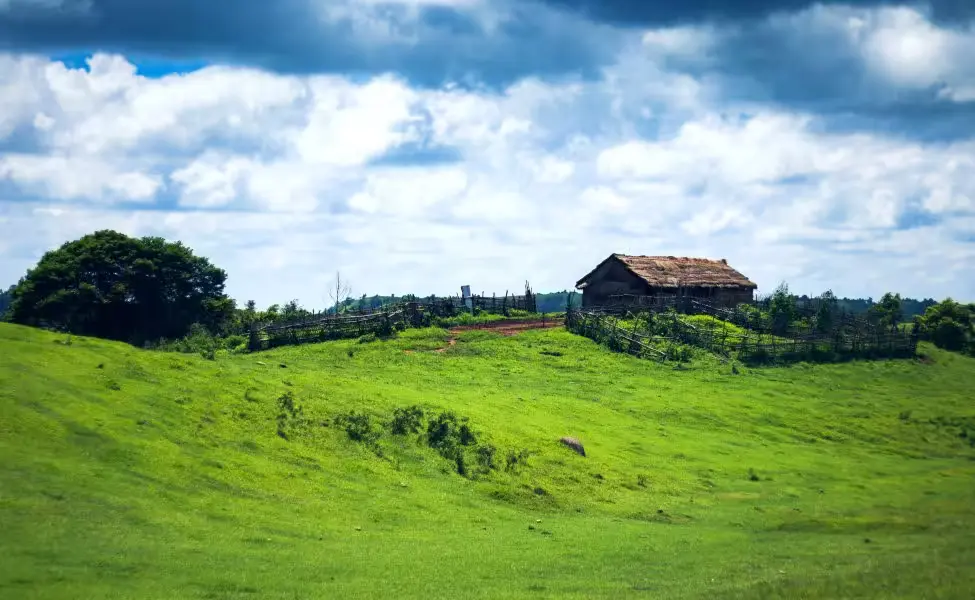
About Meghalaya
Meghalaya is crafted to experience the authentic, raw, untrodden, and rugged outdoors. Where else can you walk through a network of caves, traverse bridges made from tree roots, peep down at near-transparent rivers, and witness an outstanding play of rain-clouds that feed hundreds of waterfalls. Meghalaya also has wildlife reserves, extended pine forests and mountainscapes that are home to an abundance of exotic flora and fauna such as rare orchids, the red panda, the hoolock gibbon and the peacock pheasant.

Seasons, tribal rites and modern signposts are marked with colourful festivals that bring culture and local celebrations to the fore in Meghalaya. In the Khasi region, the Ranikor River Beach Festival celebrates the vibrant outdoors of the state. Boating in the Kynshi River, rafting up to Rilang, snorkelling, and scuba diving are part of the celebrations. The three-day Monolith Festival is held at the Khasi Heritage Village, Mawphlang. In Shillong, check out the Weiking Dance Festival, where women and men celebrate, dressed in traditional costumes. The Autumn Festival is when the city comes alive with fashion, food and music; the four-day Cherry Blossom Festival and the Winter Festival are colourful events. Garo celebrates the 100 Drums Wangala Dance, a harvest festival, the William Nagar Winter Festival, and the Dimchrang Winter Festival. The three-day South Garo festival at Ampati celebrates the indigenous culture with local dance, music and theatre. The Baghmara Winter Festival, a South Garo Tsyam festival, is celebrated on the banks of the River Simsang. The Discover Jaintia Festival and the Tura Winter Festival, a pre-Christmas cultural extravaganza held at the Dikki Bandi Stadium in Tura, are also fun experiences to catch up on local culture.
Seasons, tribal rites and modern signposts are marked with colourful festivals that bring culture and local celebrations to the fore in Meghalaya. In the Khasi region, the Ranikor River Beach Festival celebrates the vibrant outdoors of the state. Boating in the Kynshi River, rafting up to Rilang, snorkelling, and scuba diving are part of the celebrations. The three-day Monolith Festival is held at the Khasi Heritage Village, Mawphlang. In Shillong, check out the Weiking Dance Festival, where women and men celebrate, dressed in traditional costumes. The Autumn Festival is when the city comes alive with fashion, food and music; the four-day Cherry Blossom Festival and the Winter Festival are colourful events. Garo celebrates the 100 Drums Wangala Dance, a harvest festival, the William Nagar Winter Festival, and the Dimchrang Winter Festival. The three-day South Garo festival at Ampati celebrates the indigenous culture with local dance, music and theatre. The Baghmara Winter Festival, a South Garo Tsyam festival, is celebrated on the banks of the River Simsang. The Discover Jaintia Festival and the Tura Winter Festival, a pre-Christmas cultural extravaganza held at the Dikki Bandi Stadium in Tura, are also fun experiences to catch up on local culture.

Cuisine in Meghalaya revolves around meat (especially pork), rice and other staples like bamboo and sesame. Contrary to popular belief, vegetarian food is found easily in the state. The easiest way to get acquainted with the local cuisine is by eating at a Jadoh (rice-curry combination) stall. Doh khleh (meat with onions) stews, usually made with tyrso (mustard leaves), jhur sdieh (mixed fried vegetables) and tungtap (dried fish chutney) or tungrymbai (chutney made from fermented soya bean and black sesame seed paste) are part of the regular fare. Locals recommend some staples including dohneiiong (pork with black sesame seed), ja stem (rice and turmeric), ja snam (rice with chicken or pig blood) 13 and doh kha sdieh (Assamese-style fish).
Cuisine in Meghalaya revolves around meat (especially pork), rice and other staples like bamboo and sesame. Contrary to popular belief, vegetarian food is found easily in the state. The easiest way to get acquainted with the local cuisine is by eating at a Jadoh (rice-curry combination) stall. Doh khleh (meat with onions) stews, usually made with tyrso (mustard leaves), jhur sdieh (mixed fried vegetables) and tungtap (dried fish chutney) or tungrymbai (chutney made from fermented soya bean and black sesame seed paste) are part of the regular fare. Locals recommend some staples including dohneiiong (pork with black sesame seed), ja stem (rice and turmeric), ja snam (rice with chicken or pig blood) 13 and doh kha sdieh (Assamese-style fish).


