Nature & Wildlife
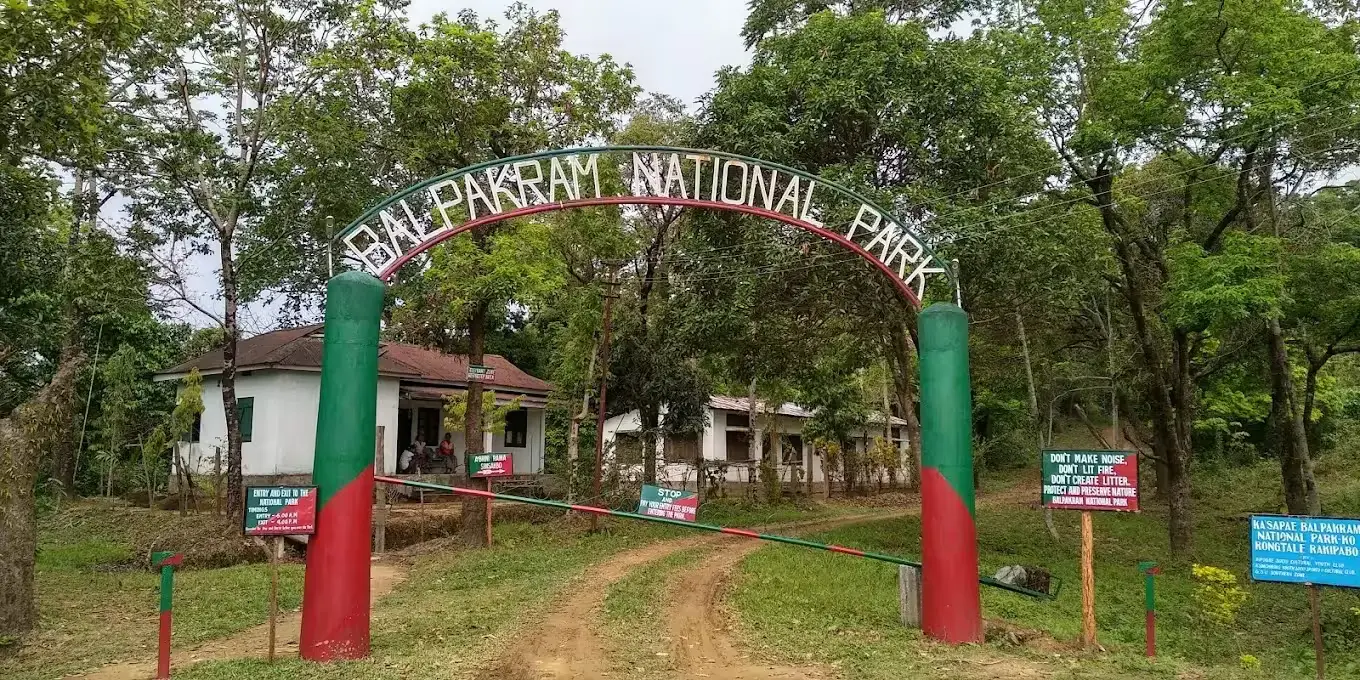
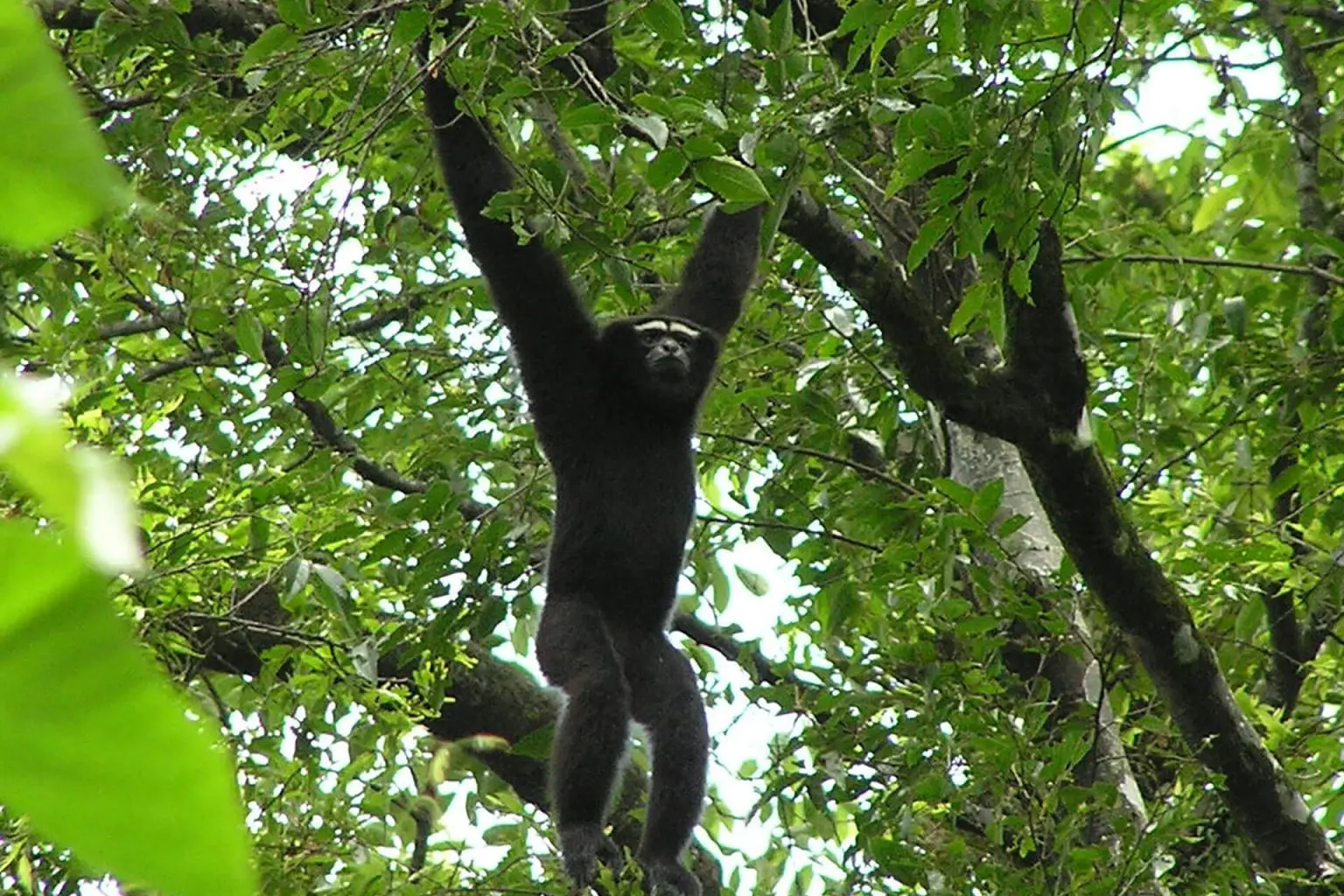
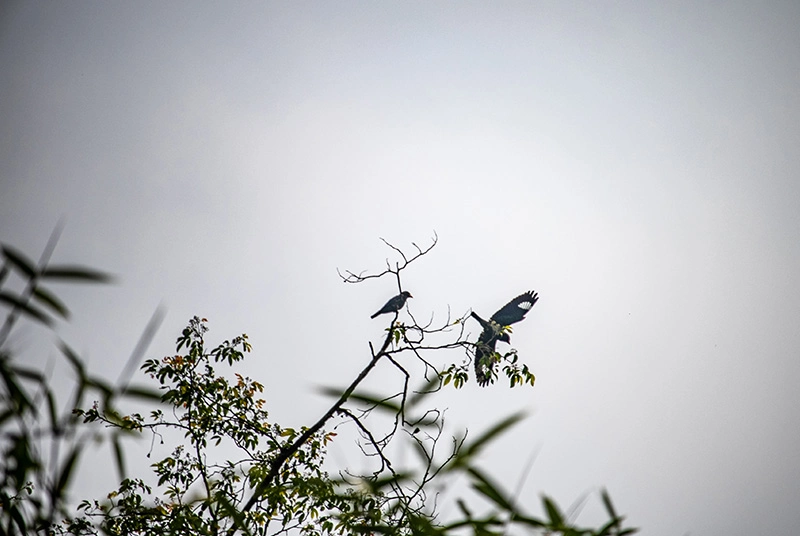
The rugged terrain of Meghalaya, a mix of high elevations and deep valleys, coupled with the rich bounty of rain and resultant vegetation, has made it a haven for wildlife species. There are many forests in the state that remain a mystery due to the inaccessibility. In addition, many forests benefit from local customs that protect them.
Meghalaya’s climate varies beautifully across the year, making it a year-round destination, each season offering its own charm. Summer (March to May) is mild and pleasant, ideal for sightseeing, nature walks, and enjoying the scenic beauty of the hills. The monsoon (June to September) brings heavy rainfall, turning the landscape into a lush green wonderland.


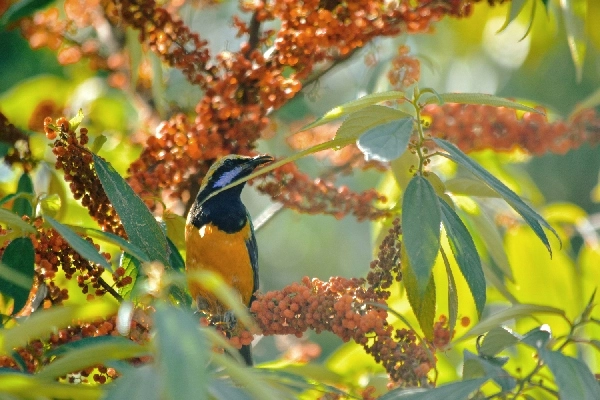
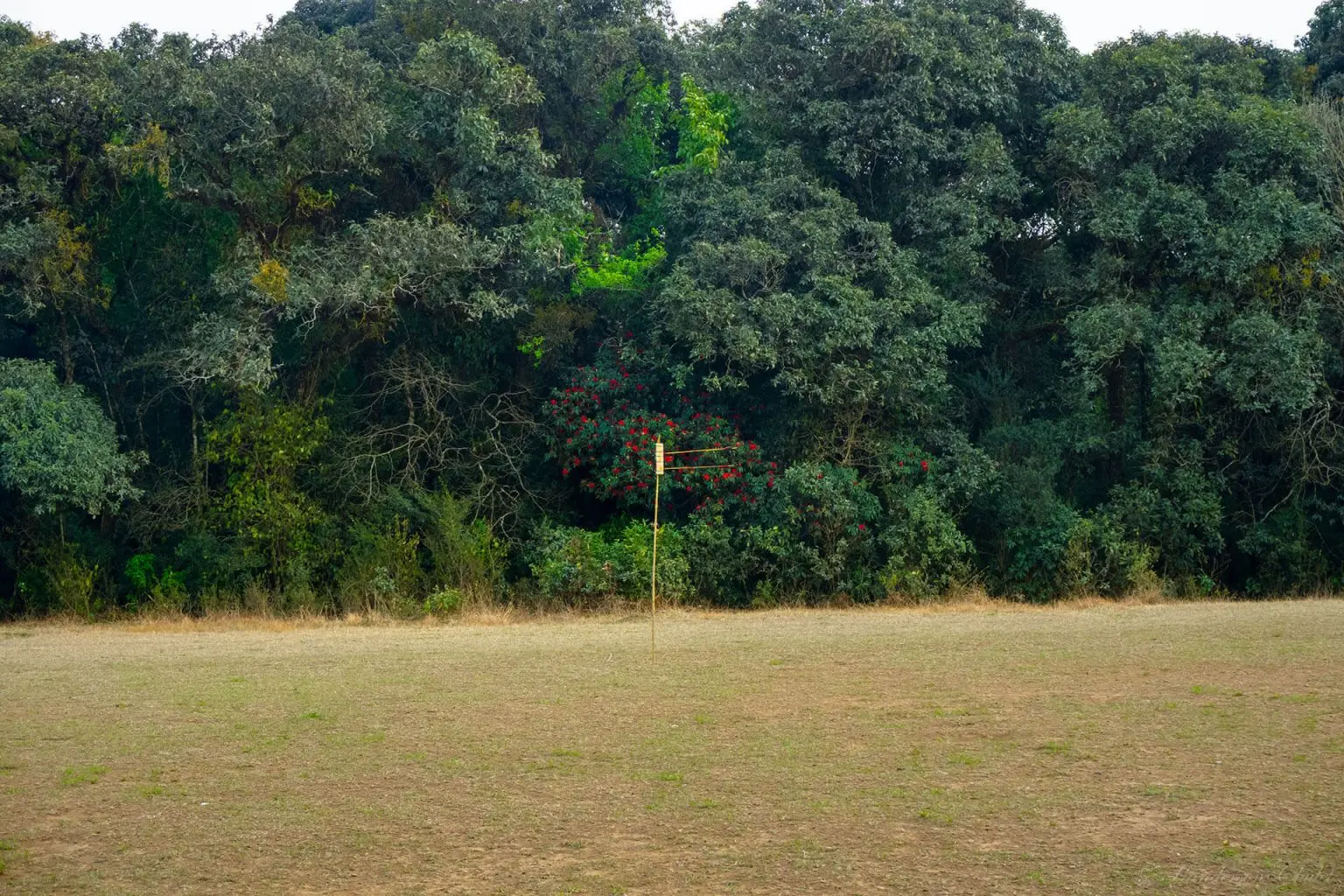
Meghalaya, a biodiverse state in Northeast India, is home to lush tropical and subtropical forests, rich in both plant and animal life. Its high rainfall and varied terrain support unique ecosystems. Meghalaya hosts dense evergreen forests, sacred groves, and over 300 species of orchids. Bamboo, ferns, and medicinal plants are abundant. Sacred groves like Mawphlang preserve rare endemic species and are vital to local ecological traditions.

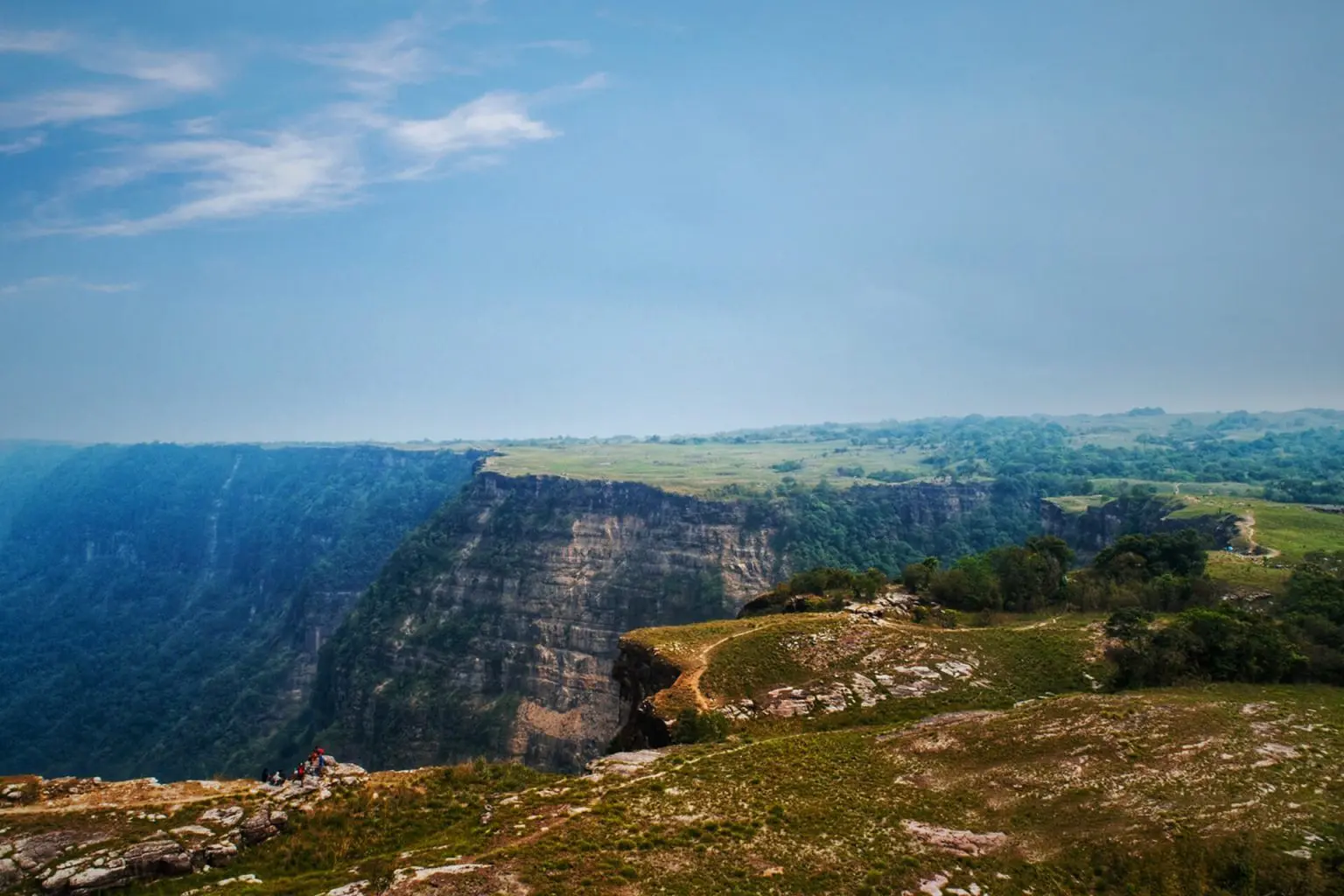
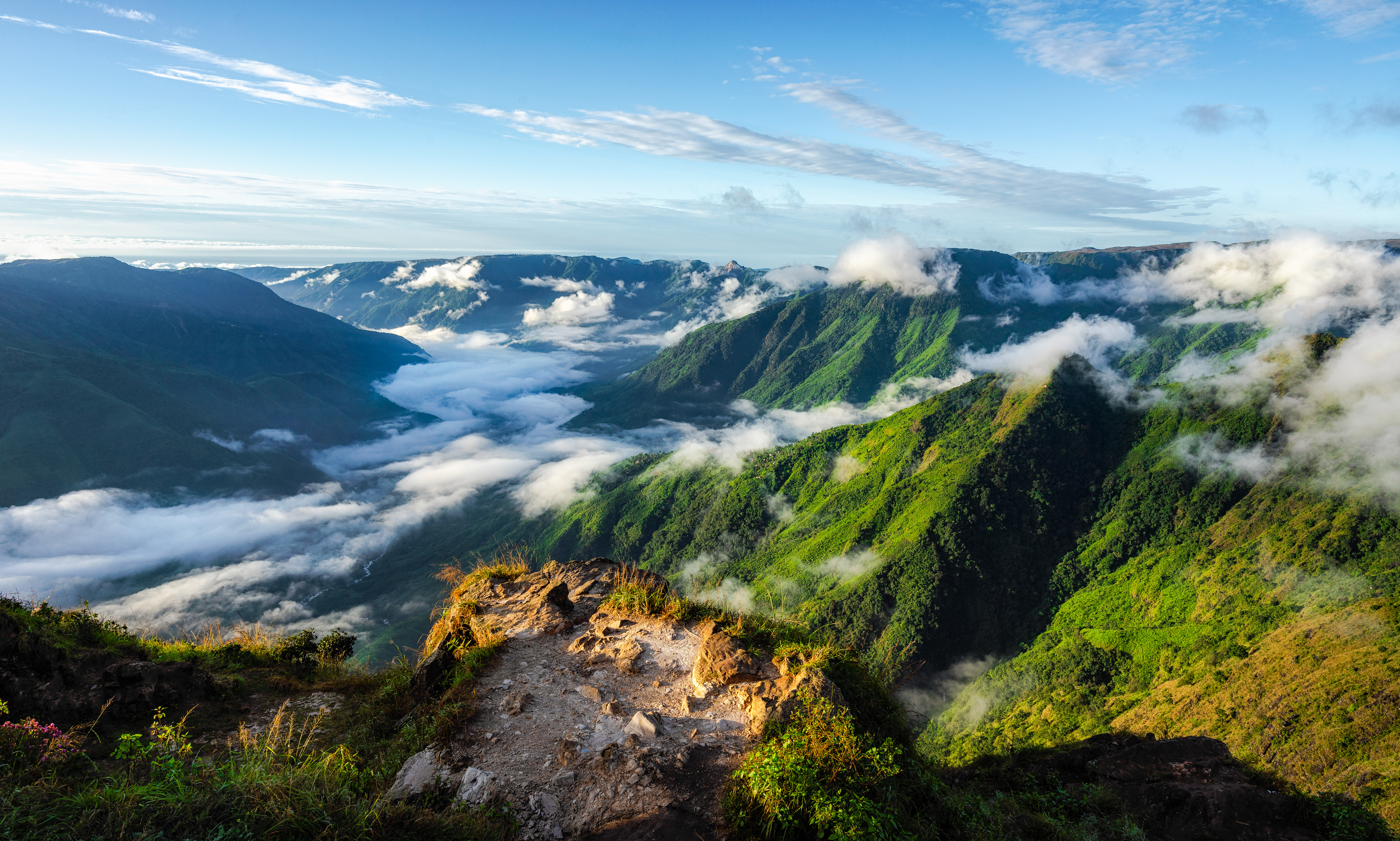
Meghalaya’s terrain is predominantly hilly and rugged, forming part of the Shillong Plateau, one of the oldest landmasses in India. The state is divided into three main hill regions—the Khasi, Jaintia, and Garo Hills—each characterized by rolling highlands, steep slopes, and deep river valleys. These hills are interspersed with swift rivers and numerous waterfalls, fed by the region’s heavy rainfall.