Experiences

Local Produce

Khasi Rice Cakes

Image

Photdei Village and Traditional Rice Cakes

Photdei is a small and beautiful village in the South West Khasi Hills District of Meghalaya. It is popular for its traditional foods and rice cakes: Putharo, Pumaloi, and Pu-sla. Putharo is a local favourite, supplied to areas like Mawkyrwat and Nongstoin. Two rice varieties are used — black rice (Khaw-Iong) and Khaw Mynri — both sourced from Ri-Bhoi. These rice types stay soft longer, extending shelf life. Pumaloi is a ball-shaped steamed rice cake split in half, while Pu Sla is a steamed cake wrapped in a leaf called 'Ka Lamet'.

Image

Popularity and Serving of Rice Cakes

Rice cakes are popular across Meghalaya, with each district having its own baking style and unique taste. Putharo is often enjoyed with curried minced pork or chicken (Doh-jem). Visitors en route to Photdei can enjoy the Rilang viewpoint, relax by the Rilang river, or camp in the nearby hills for picturesque views.

Image

How to Reach There

Photdei village is located in the South West Khasi Hills, 73 km from Shillong. The experience typically lasts 1 day and costs ₹500 per person.

Image

Meet the Host

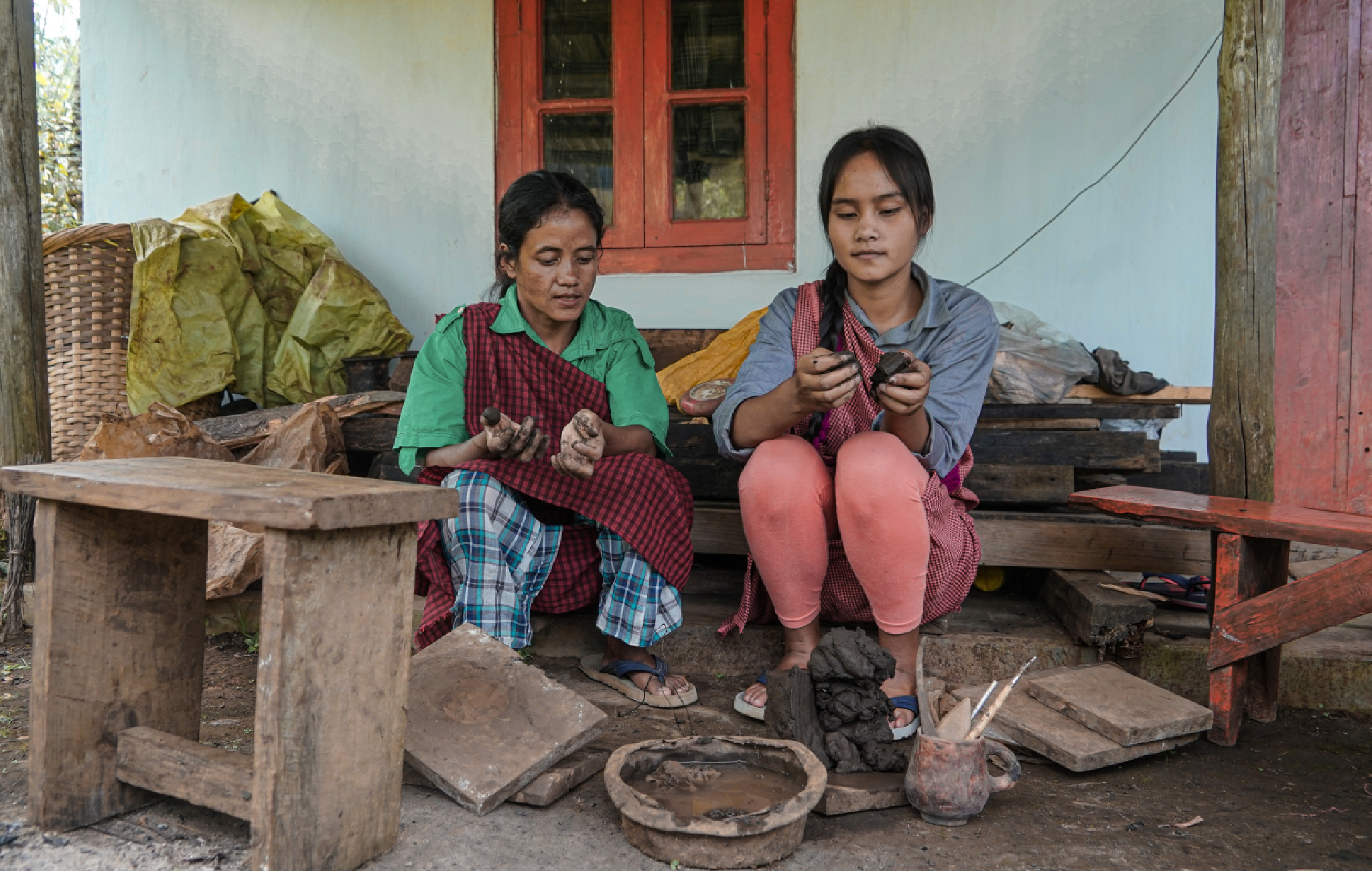
Kilmory Dkhar, a resident of Photdei, learned rice cake baking from her husband, Mr. Pdiangbor Sari, a well-known baker from Mawryngkneng. Taught by his mother since the age of 16, Mr. Sari restarted his rice cake business in Photdei after marrying Kilmory in 2018. They pound rice in a traditional wooden mortar for unique flavour, later adding a rice grinding machine to expand production. They use Mynri rice from Ri-Bhoi and Mawkyrwat, and black pottery baking pots from Larnai village. Phone No.: +91 9863457259 | Email: dkilmorey@gmail.com

Lakadong Turmeric

Image

What Makes Lakadong Turmeric Unique?

Lakadong turmeric, grown in Meghalaya’s Jaintia Hills, is renowned for its exceptionally high curcumin content of 7%–12%, compared to the usual 2%–5% in other varieties. The cool, high-altitude climate, rich loamy soil, frequent rainfall, and traditional organic cultivation methods contribute to its superior quality.

Image

From the Hills to the World

Cultivated between 900–1,800 m above sea level in villages like Shangpung and Mulieh, Lakadong turmeric has gained international recognition. It holds a GI (Geographical Indication) tag, linking its unique identity directly to its Meghalaya origins.

Image

Traditional Knowledge and Uses

Women farmers have long preserved Lakadong turmeric cultivation, passing down pesticide-free techniques. Today, initiatives like Mission Lakadong unite hundreds of farmers, enhancing both farming practices and processing standards.

Image

Health and Wellness Benefits

Curcumin in Lakadong turmeric supports inflammation reduction, joint and immune health, and oxidative stress prevention. It shows promise in managing metabolic syndrome, arthritis, neuroprotection, cardiovascular health, and digestion. In Ayurveda, it is used for antisepsis, skin care, and general wellness.

Image

Know the Process

Sown in April and harvested by December, Lakadong turmeric rhizomes are washed, lightly boiled, sun-dried, and ground into fine powder. These traditional methods help retain its high curcumin content, vibrant colour, and medicinal value before it is hygienically packed.

Image

Culinary Spotlight

Lakadong’s strong, earthy flavour and rich golden colour elevate curries, teas, golden milk, smoothies, soups, and even skincare masks. In Shillong, artisanal spice-infused products featuring Lakadong turmeric are gaining popularity.

Image

Farmer Profiles - Trinity Saioo

Kong Trinity Saioo, a celebrated Lakadong turmeric farmer from Mulieh village, West Jaintia Hills, received the ‘Padma Shri’ award for her contributions. She is also a school teacher and entrepreneur, sharing her expertise and promoting turmeric cultivation across nearby communities.

Image

Where to Buy Lakadong Turmeric

Lakadong turmeric is available at The Meghalayan Age, the official Meghalaya State Emporium in New Delhi, as well as in departmental stores across Meghalaya, offering visitors and locals a chance to experience this indigenous spice.

Laitkynsew’s Tomato

Image

Laitkynsew Village and Its Heirloom Tomato

Tucked away in the lush, rain-soaked hills of Meghalaya, just 15 km from Sohra (Cherrapunji), lies Laitkynsew — a small village with a centuries-old agricultural treasure: the heirloom Laitkynsew tomato. Beyond its scenic beauty and gentle village life, this tomato has been a cornerstone of local tradition for generations.

Image

Keeping Tradition Alive

Life in Laitkynsew moves at a tranquil pace, far from the rush of city life. For over two centuries, local farmers have been cultivating this unique tomato variety using traditional organic farming methods. Seeds are saved and passed down through generations, preserving a living legacy of sustainable agriculture.

Image

A Taste of Place

Unlike mass-produced tomatoes, the Laitkynsew tomato is celebrated for its purity and delicate, juicy texture bursting with rich flavour. Its exceptional taste is the result of the village’s unique microclimate, fertile soil, and time-honoured farming practices. Harvested in traditional ‘kriah’ baskets, these fragile tomatoes are handled with utmost care.

Image

A Culinary Jewel of Meghalaya

In regional kitchens, the Laitkynsew tomato adds depth and a taste of the hills to any dish. Slowly oven-roasted, it develops a sweet, tangy flavour perfect for salads, pasta, or velvety sauces. Each bite reflects the community’s respect for the land and its time-honoured farming traditions.

Kongthong Honey

Image

What Makes Kongthong Honey Unique?

In Kongthong, villagers follow traditional practices for harvesting and extracting honey, relying entirely on Mother Nature and the instinctive wisdom of bees. The honey here is richer and healthier thanks to the region’s pristine landscape and absence of chemical fertilisers or pesticides. These natural conditions attract healthy bees, resulting in the most organic and natural honey.

Image

Traditional Harvesting Techniques

Honey is harvested twice a year in Kongthong. From late November to January, the Syndai Bee produces flavour-rich, medicinally valuable honey. Between March and April, the Pyrem Bee yields honey of lower quality, often under-ripened due to seasonal heat.

Image

Kongthong: The Whistling Village

Kongthong, located in Khatarshnong Laitkroh Block, East Khasi Hills, is famous for its unique tradition of addressing each other with distinct melodies, earning it the title ‘Whistling Village.’ Beyond this charm, beekeeping is also an important part of village life, with 40–50 of its 145 households practising the craft using traditional wooden bee boxes carved from tree trunks.

Image

Wellness & Nutritional Benefits

Kongthong honey is more than a sweetener — it’s also used in traditional medicine. Locals drink honey with water for body cleansing, apply it to skin for treating bruises, and mix it with slaked lime for healing injuries.

Image

Where to Buy

After harvesting, honey is stored in pots or reused oil cans and sold in local markets. With initiatives by Shri Rothell Khongsit of the Meghalaya Rural Tourism Cooperative Federation Ltd., better packaging, labelling, and marketing now help beekeepers reach a wider audience. Visitors can buy this honey at village markets and select outlets supporting community-based tourism.